%2Ffit-in%2F250x250%2Fguide_websites%2F3196%2Fimages%2F293097389_389180373197777_8903712940579968599_n.jpg&w=1200&q=100)
/users/6647b9d6-ba74-4c53-9455-f55b7741f8d7/ratecard/130190163_2786573351582549_8255922119412146981_n.jpg)
%2F300x300%2Fusers%2F6647b9d6-ba74-4c53-9455-f55b7741f8d7%2Fratecard%2F130190163_2786573351582549_8255922119412146981_n.jpg&w=256&q=75)
%2F300x300%2Fusers%2F6647b9d6-ba74-4c53-9455-f55b7741f8d7%2Fimages%2Fanglers-catch-catfish-ok-2796.png&w=256&q=75)
%2F300x300%2Fusers%2F6647b9d6-ba74-4c53-9455-f55b7741f8d7%2Fimages%2Fblue-catfish-oklahoma-fishing-2888.png&w=256&q=75)
%2F300x300%2Fusers%2F6647b9d6-ba74-4c53-9455-f55b7741f8d7%2Fimages%2Fblue-catfish-fishing-ok-2679.png&w=256&q=75)
%2F300x300%2Fusers%2F6647b9d6-ba74-4c53-9455-f55b7741f8d7%2Fimages%2Fhardhead-sea-catfish-fishing-sand-2714.png&w=256&q=75)
%2F300x300%2Fusers%2F6647b9d6-ba74-4c53-9455-f55b7741f8d7%2Fimages%2Fblue-catfish-sand-springs-fishing-2710.png&w=256&q=75)
%2F300x300%2Fusers%2F6647b9d6-ba74-4c53-9455-f55b7741f8d7%2Fimages%2Fbountiful-catfish-sand-springs-2839.png&w=256&q=75)
%2F300x300%2Fusers%2F6647b9d6-ba74-4c53-9455-f55b7741f8d7%2Fimages%2Fwiper-catch-sand-springs-2982.jpg&w=256&q=75)
%2F300x300%2Fusers%2F6647b9d6-ba74-4c53-9455-f55b7741f8d7%2Fimages%2Fwiper-catch-oklahoma-3051.jpg&w=256&q=75)
%2F300x300%2Fusers%2F6647b9d6-ba74-4c53-9455-f55b7741f8d7%2Fimages%2Fwiper-caught-fishing-ok-3031.jpg&w=256&q=75)
%2F300x300%2Fusers%2F6647b9d6-ba74-4c53-9455-f55b7741f8d7%2Fimages%2Fbest-great-fishing-haul-sand-3207.jpg&w=256&q=75)
Expert-Guided 6-Hour Fort Gibson Lake Fishing
 Oklahoma
What you will be catching:
 Blue Catfish
 Channel Catfish
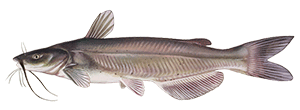 Flathead Catfish
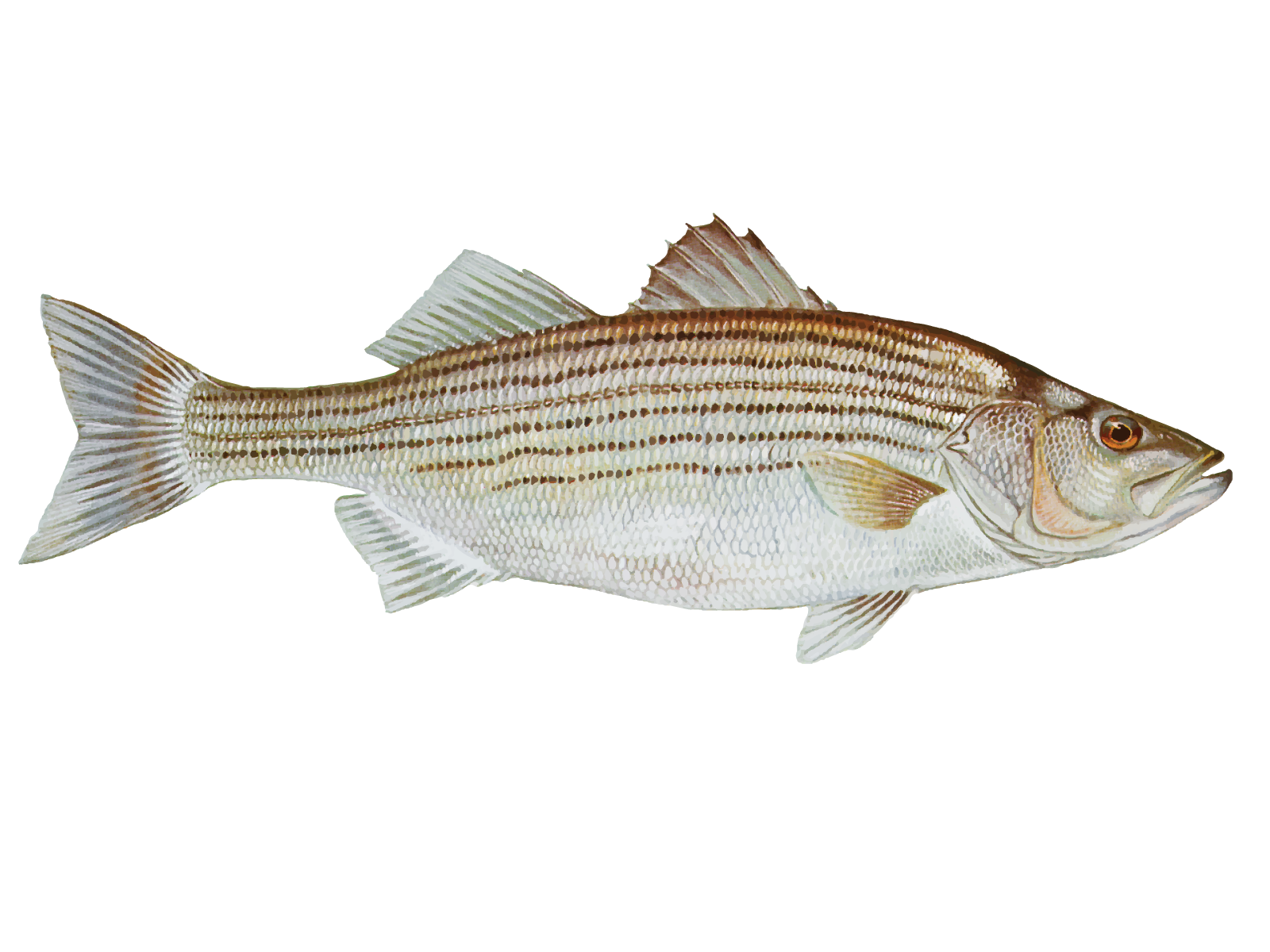 Striped Bass
 White Bass
- Fort Gibson Lake offers some of the best sandbass and spoonbill fishing you'll find anywhere. This 6-hour guided trip takes you out on calm waters where these fish are plentiful and active. You'll fish from either a comfortable Sun Tracker pontoon or Predator center console, depending on conditions and your preference. The lake's protected coves and deeper channels hold good numbers of bass and catfish year-round. During peak season from March to May, we launch from Mazie Landing Marina, while other times we meet at Whitehorn Cove or Taylors Ferry North ramp. With space for two anglers, you get personalized attention and plenty of room to fish comfortably. The lake stays calm most days, making it perfect for anglers of all experience levels.
Trip Pricing and Availabilities:
Trip pricing information is temporarily unavailable.
Guided Catfish And Bass Fishing Trip On Gibson Lake
Fort Gibson Lake sits right in the heart of some of Oklahoma's best fishing country, and I've been guiding anglers here for years. This 6-hour guided trip puts you right where the action is – whether you're after hard-fighting catfish or the legendary bass that make this lake famous. We'll get you set up on either our Sun Tracker Pontoon or Predator Center Console, depending on what kind of day you're looking for. The lake's got everything from deep channels to shallow flats, and I know exactly where to find the fish based on the season and conditions. You're looking at a solid day on the water with just you and one other angler, so there's plenty of room to spread out and fish comfortably.
What to Expect on the Water
Fort Gibson Lake covers over 19,000 acres, giving us plenty of room to work with depending on what's biting. During our peak season from March through May, we'll meet up at Mazie Landing Marina – it's perfectly positioned to access some of the hottest Sandbass and Spoonbill spots on the lake. Outside of those months, we'll launch from either Whitehorn Cove Marina or Taylors Ferry North boat ramp, both offering quick access to the main lake and backwater areas where catfish love to hang out. The beauty of Fort Gibson is its diversity – we've got rocky points for bass, muddy flats for catfish, and open water where the stripers cruise. I'll adjust our approach based on what Mother Nature's giving us that day, whether it's working the thermocline in summer or hitting the shallows during spawn season.
Techniques & Tackle
We fish Fort Gibson the way it's meant to be fished – with respect for the water and knowledge of what works. For catfish, we're talking about everything from drift fishing with live bait to anchoring up on proven holes with cut shad or chicken liver. The lake's got incredible structure with submerged timber, creek channels, and rock piles that hold fish year-round. When we're targeting bass, we'll switch between casting jigs around cover, working topwater early and late, or pulling crankbaits along the ledges. I provide all the gear you'll need, but if you've got a lucky rod or favorite reel, bring it along. The Sun Tracker gives us stability for bottom fishing and plenty of deck space to fight bigger cats, while the Predator gets us to spots quickly and handles rough water when we need to chase schooling fish.
Top Catches This Season
White Bass are the bread and butter of Fort Gibson Lake, especially during their legendary spring runs. These silver rockets show up in massive schools from March through May, hitting everything from small jigs to inline spinners. They're not huge fish – most run 1-3 pounds – but they make up for size with sheer numbers and fight. When you find a school, you can literally catch one on every cast until your arms give out. They're perfect for getting kids hooked on fishing or for experienced anglers who just want to have a blast pulling on fish all day.
Striped Bass are the real prize fighters here, and Fort Gibson produces some serious fish. These guys can push 20+ pounds and will absolutely smoke your drag when they hit. Spring and fall are prime time when they're chasing shad in open water, but summer fishing can be fantastic if you know where to find them holding in deeper, cooler water. They're ambush predators that hunt in packs, so when you hook one, there's usually more around. The fight is what people remember – long runs, head shakes, and that satisfying weight on the rod.
Channel Catfish are probably the most consistent fish in the lake, biting year-round and always willing to cooperate. Fort Gibson's channels typically run 2-8 pounds with some real bruisers mixed in. They're not picky eaters – cut bait, live bait, stink baits all work depending on the conditions. Summer nights are magic for channels, but we catch plenty during daylight hours too. They're perfect eating size and fight harder than most people expect.
Blue Catfish are the lake's heavyweights, and Fort Gibson grows some monsters. These fish can live for decades and reach impressive sizes – 20, 30, even 40+ pound blues come out of this lake every year. They prefer deeper water and bigger baits, so we're usually fishing cut shad or live bait in the main river channels. Blues are smart, strong, and absolutely relentless once hooked. Landing a big blue catfish is something you'll be talking about for years.
Flathead Catfish are the apex predators of Fort Gibson's catfish world. These fish are pure muscle and attitude, preferring live bait and structure-heavy areas where they can ambush prey. Flatheads are night hunters by nature, but we catch them during daylight around submerged timber and deep holes. A big flathead – and Fort Gibson has plenty pushing 30-50 pounds – will test every knot and every piece of equipment you've got. They're the fish that separate casual catfish anglers from the serious ones.
Time to Book Your Spot
Fort Gibson Lake delivers the kind of fishing experience that keeps people coming back year after year. Whether you're a seasoned angler looking for your next personal best or someone who just wants to spend a quality day on the water, this trip has something for everyone. The lake's reputation for producing both numbers and size is well-earned, and having a local guide who knows the seasonal patterns, structure, and techniques makes all the difference. Remember that deposits are non-refundable, so make sure your dates work before booking. With only two spots available per trip, you'll have my full attention and plenty of room to fish comfortably. Give McBride Outside Guide Service a call and let's get your Fort Gibson Lake adventure on the calendar.
Learn more about the animals
Blue Catfish
Blue catfish are the giants of Fort Gibson Lake and the biggest catfish species in North America. These monsters average 25-40 pounds but can top 80 pounds - they're serious tackle busters. Look for them in the deepest holes and main lake channels, usually 20-40 feet down near muddy bottoms. They're opportunistic hunters that'll eat anything, making them active feeders most of the year. What draws anglers to blues is the chance at a true trophy and their excellent table fare. They fight like bulldogs and will test every piece of your gear. We target them with fresh cut bait - herring, shad, or skipjack work best. Let your bait sit on the bottom and wait for that slow, steady pull. Local secret: blues follow the thermocline in summer, so fish the temperature breaks where cooler water meets warm surface water.

Channel Catfish
Channel catfish are Fort Gibson's most reliable fish, biting year-round and putting up a solid scrap. These whiskered fighters typically run 2-8 pounds, with some bruisers pushing 15-20 pounds. They're bottom huggers that love structure - fallen trees, rock piles, and creek channels are prime spots. Summer nights are peak time, but they'll bite anytime the weather's stable. What guests love about channels is they're great eating and perfect for families - kids can't help but smile when they feel that steady pull. We fish them with cut bait, chicken liver, and stinkbait on the bottom in 8-25 feet of water. Their slick, scaleless skin means you need a good grip when handling them. Here's my go-to trick: use a small piece of soap on your rod tip - channels are drawn to that amino acid scent, especially in muddy water.
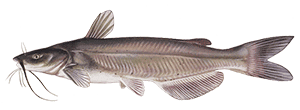
Flathead Catfish
Flathead catfish are the ultimate predators in Fort Gibson Lake, known for their massive size and aggressive nature. These yellow-brown bruisers regularly hit 20-50 pounds, with some monsters exceeding 80 pounds and stretching over 4 feet long. Unlike other cats, flatheads demand live bait - they want to see their prey struggle. Find them in deep timber, undercut banks, and rocky ledges during daylight hours. Summer nights bring them shallow to hunt. What makes flatheads special is their superior eating quality - firm, white meat that's considered the best among catfish. They'll give you the fight of a lifetime on heavy tackle. We use live bluegill, perch, or small channel cats on stout rods with 50+ pound line. My best tip: fish right at sunset when they start moving from their daytime hideouts to feed. Once hooked, these fish won't give up easy.
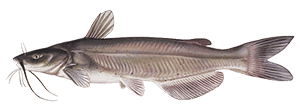
Striped Bass
Striped bass are the heavyweights of Fort Gibson Lake, growing 20-40 pounds with those distinctive dark stripes running down their silver sides. These powerful fish patrol deep channels and rocky structures, often following schools of shad in 15-30 feet of water. They're most active during cooler months and low-light periods - early morning and evening produce the best action. What makes stripers special is their incredible fight and excellent eating quality. They're aggressive predators that'll test your drag and give you a battle you won't forget. We target them with live shad, large spoons, and diving crankbaits around submerged timber and drop-offs. Pro tip: when you see birds working the surface, get there fast - stripers are likely pushing baitfish up, and you can have some of the best topwater action of your life.

White Bass
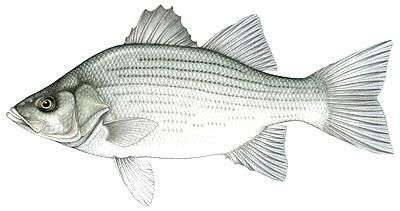
White bass, also called sand bass, are Oklahoma's state fish and one of Fort Gibson's most popular targets. These silvery fish with dark horizontal stripes typically run 10-12 inches and weigh 1-3 pounds, though we occasionally see some pushing 18 inches. They're schooling fish that love open water and rocky points, usually cruising 10-20 feet deep. Spring is prime time when they move shallow to spawn from March through May - perfect timing for our trips. White bass are aggressive fighters that'll bend your rod, and they make excellent table fare with sweet, flaky meat. They hit small jigs, spoons, and live minnows hard. Here's a local tip: when you find one white bass, there are always more nearby. Work that area thoroughly with a 1/8 oz white jig and you'll often limit out fast.
About the Key West
%2F%2Fusers%2F6647b9d6-ba74-4c53-9455-f55b7741f8d7%2Fvehicle_picture%2Fscreenshot2025-11-02205652-mhhpysib.png&w=1200&q=75)
Vehicle Guest Capacity: 6
Manufacturer Name: Yamaha
Maximum Cruising Speed: 53
Number of Engines: 1
Horsepower per Engine: 300