%2Ffit-in%2F250x250%2Fguide_websites%2F3196%2Fimages%2F293097389_389180373197777_8903712940579968599_n.jpg&w=1200&q=100)
/users/6647b9d6-ba74-4c53-9455-f55b7741f8d7/ratecard/image.png)
%2F300x300%2Fusers%2F6647b9d6-ba74-4c53-9455-f55b7741f8d7%2Fratecard%2Fimage.png&w=256&q=75)
%2F300x300%2Fusers%2F6647b9d6-ba74-4c53-9455-f55b7741f8d7%2Fimages%2Fanglers-catch-catfish-ok-2796.png&w=256&q=75)
%2F300x300%2Fusers%2F6647b9d6-ba74-4c53-9455-f55b7741f8d7%2Fimages%2Fblue-catfish-oklahoma-fishing-2888.png&w=256&q=75)
%2F300x300%2Fusers%2F6647b9d6-ba74-4c53-9455-f55b7741f8d7%2Fimages%2Fblue-catfish-fishing-ok-2679.png&w=256&q=75)
%2F300x300%2Fusers%2F6647b9d6-ba74-4c53-9455-f55b7741f8d7%2Fimages%2Fhardhead-sea-catfish-fishing-sand-2714.png&w=256&q=75)
%2F300x300%2Fusers%2F6647b9d6-ba74-4c53-9455-f55b7741f8d7%2Fimages%2Fblue-catfish-sand-springs-fishing-2710.png&w=256&q=75)
%2F300x300%2Fusers%2F6647b9d6-ba74-4c53-9455-f55b7741f8d7%2Fimages%2Fbountiful-catfish-sand-springs-2839.png&w=256&q=75)
%2F300x300%2Fusers%2F6647b9d6-ba74-4c53-9455-f55b7741f8d7%2Fimages%2Fwiper-catch-sand-springs-2982.jpg&w=256&q=75)
%2F300x300%2Fusers%2F6647b9d6-ba74-4c53-9455-f55b7741f8d7%2Fimages%2Fwiper-catch-oklahoma-3051.jpg&w=256&q=75)
%2F300x300%2Fusers%2F6647b9d6-ba74-4c53-9455-f55b7741f8d7%2Fimages%2Fwiper-caught-fishing-ok-3031.jpg&w=256&q=75)
%2F300x300%2Fusers%2F6647b9d6-ba74-4c53-9455-f55b7741f8d7%2Fimages%2Fbest-great-fishing-haul-sand-3207.jpg&w=256&q=75)
Premium 4-Hour Fort Gibson Lake Fishing Trip
 Oklahoma
What you will be catching:
 Blue Catfish
 Channel Catfish
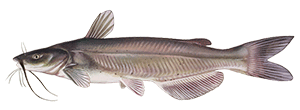 Flathead Catfish
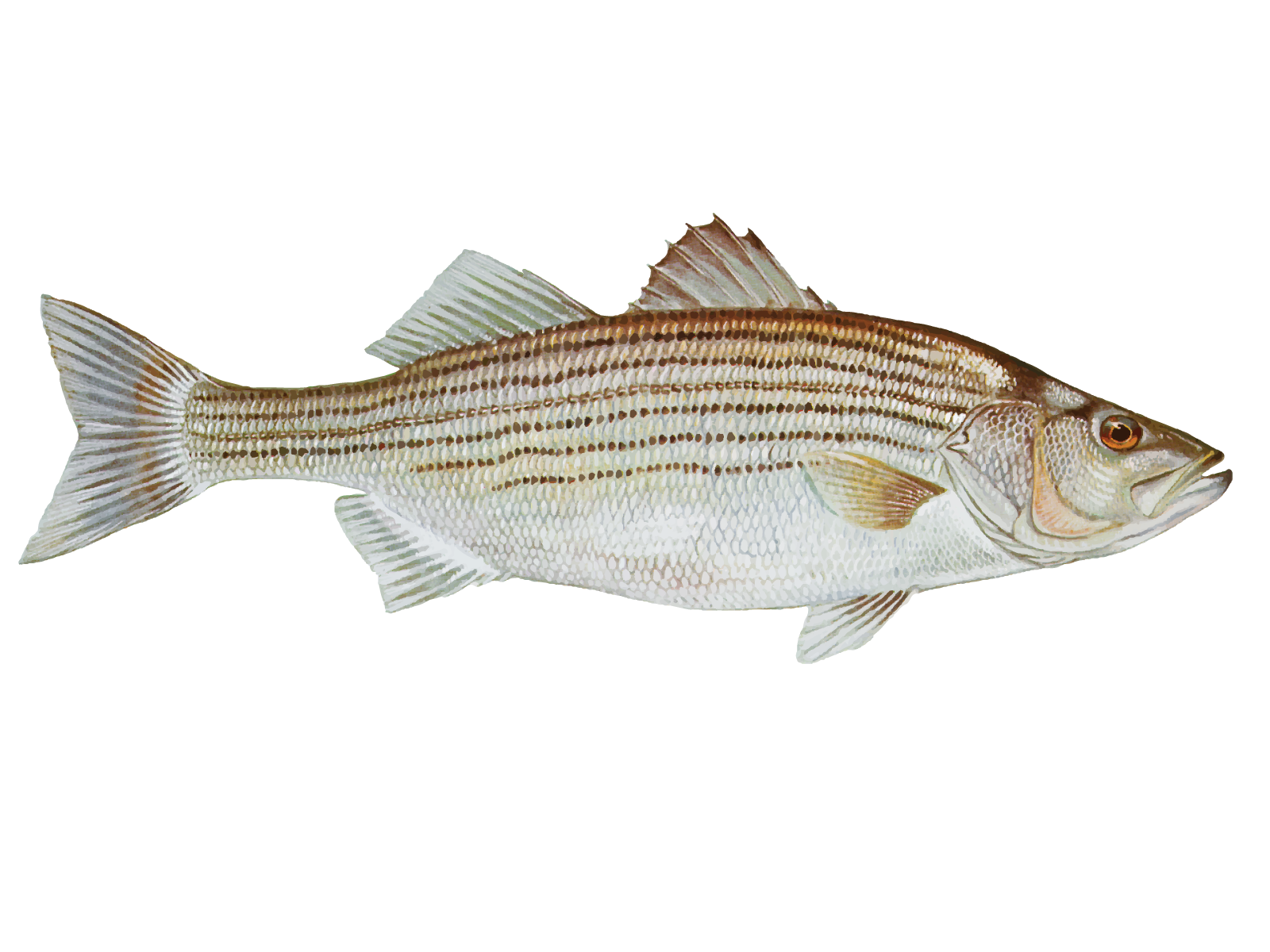 Striped Bass
 White Bass
- Captain Trent knows Fort Gibson Lake like the back of his hand, and he'll put you on the catfish and bass during this 4-hour private trip. This Oklahoma lake holds some solid fish, and with Trent's local knowledge, you'll hit the productive spots whether you're just starting out or have been fishing for years. He tailors the trip to what you want
- could be chasing bigger bass or loading up on eating-size catfish. The lake stays pretty calm, making it a relaxed day on the water. Perfect for a solo adventure or bringing along family who want to get into some good fishing action.
Trip Pricing and Availabilities:
Trip pricing information is temporarily unavailable.
Half Day Catfish And Bass Fishing On Gibson Lake
Want to spend a solid half-day on the water chasing some of Oklahoma's best catfish and bass? Captain Trent at McBride Outside Guide Service knows Fort Gibson Lake like the back of his hand, and he's ready to put you on fish. This isn't some cookie-cutter charter where you're crammed in with strangers - it's a private 4-hour trip designed around what you want to catch. Whether you're brand new to fishing or you've been wetting a line for decades, Trent will adjust the game plan to match your skill level and keep things fun. Fort Gibson Lake sits pretty in eastern Oklahoma, and it's loaded with hungry catfish and aggressive bass just waiting for the right presentation.
What to Expect on the Water
This top-rated Gibson Lake experience kicks off early when you meet Captain Trent at the boat launch. He'll have everything rigged and ready - tackle, bait, and all the gear you need for a productive day. The beauty of Fort Gibson Lake is its diversity. One minute you might be working structure for bass, the next you're anchored up in a deep hole waiting for catfish to find your bait. Trent reads the water conditions and adjusts throughout the trip, so you're always fishing where the action is hottest. The lake covers over 19,000 acres, which means plenty of room to find that perfect spot away from weekend traffic. You'll learn local techniques that work specifically on this body of water, and Trent shares insights about seasonal patterns that'll make you a better angler long after the trip ends. Pack some snacks and drinks since meals aren't provided, but honestly, when the fish are biting, you won't be thinking about much else.
Techniques and Tackle
Fort Gibson Lake fishing is all about matching your approach to what the fish want on any given day. For bass, Trent runs everything from topwater early in the morning to deep cranks when they move offshore. The lake has plenty of timber, rock piles, and creek channels that hold fish year-round. When targeting catfish, it's a different game entirely. You'll learn about proper bottom rigs, circle hooks, and the kind of stink baits that drive big cats crazy. Trent provides all the rods, reels, and terminal tackle, but he's happy to let you bring your own gear if you prefer. The boat is equipped with quality fish finders and GPS, so you'll see exactly where you're fishing and why those spots produce. Live bait, cut bait, and artificials all have their place depending on conditions and target species. Don't worry if you've never used some of these techniques - Trent breaks it down step by step and has you casting like a pro in no time.
Species You'll Want to Hook
White Bass are some of the most fun fish you'll find in Fort Gibson Lake, especially when they're schooled up and feeding aggressively. These silver rockets typically run 1-3 pounds and fight way above their weight class. Spring and fall are prime time when they chase shad in big schools, but Trent knows where to find them throughout the season. They're perfect for kids or anyone who loves non-stop action since they often travel in large groups.
Striped Bass are the lake's premier gamefish and the reason serious anglers make the trip to Gibson. These fish can push 20+ pounds and will test your drag system when they make their runs. They're most active during cooler months and early morning hours, using their size and power to hunt schools of baitfish in open water. Landing a good striper is something you'll remember for years, and Fort Gibson consistently produces trophy-class fish.
Channel Catfish are probably the most reliable species in the lake, biting year-round and providing steady action when other fish get finicky. They average 2-8 pounds with bigger specimens always possible. These whiskered fighters are perfect for beginners since they're not picky eaters, but they still provide a solid fight and excellent table fare. Night fishing can be phenomenal, but they bite well during daylight hours too.
Blue Catfish are the heavyweights of Fort Gibson Lake, with fish over 30 pounds caught regularly. These monsters prefer deeper water and bigger baits, making them a favorite target for trophy hunters. They're less common than channels but when you hook into a big blue cat, you'll know immediately. Summer months can be especially productive when they move into feeding patterns around creek mouths and river channels.
Flathead Catfish are the lake's apex predators, growing massive on a diet of live fish and smaller catfish. These solitary hunters can exceed 50 pounds and prefer structure like fallen trees, rock piles, and undercut banks. They're primarily nocturnal but can be caught during daylight with the right approach. Flatheads are considered the ultimate catfish challenge due to their size, strength, and selective feeding habits.
Time to Book Your Spot
Fort Gibson Lake delivers consistent fishing action, and Captain Trent's local knowledge puts you on fish faster than trying to figure it out on your own. This customer favorite half-day trip gives you enough time to target multiple species without burning a whole day on the water. The private charter format means you set the pace and focus on what interests you most. Whether you're after a mess of eating-size catfish or hoping to tangle with a trophy striper, this world-class fishery has what you're looking for. Remember that deposits are non-refundable, so plan accordingly when you book. Gibson Lake fishing is good year-round, but spring and fall offer some of the most consistent action. Don't sleep on this opportunity to fish with someone who lives and breathes this lake - spots fill up fast during peak seasons.
Learn more about the animals
Blue Catfish
Blue cats are the monsters of Fort Gibson, with fish regularly hitting 20-40 pounds and true giants over 50 pounds lurking in the depths. These slate-blue bruisers prefer the main lake channels and deeper holes, typically 20-40 feet down near drop-offs and river bends. They're opportunistic feeders that stay active year-round, though spring and fall offer the best action when they move shallow to feed. What makes them special is the incredible fight - they're pure power and will test every bit of your tackle. The meat quality is outstanding too, firm and mild-flavored. Summer nights can be productive when they move up to feed on schools of shad. Here's the key: use fresh cut bait like skipjack or shad, fish it right on the bottom in the deepest holes you can find, and be patient - these fish don't rush their meals.

Channel Catfish
Channel cats are the bread and butter of Fort Gibson's catfish action, with most fish running 2-5 pounds and the occasional bruiser hitting 10-15 pounds. These whiskered fighters love structure - fallen trees, rock piles, and creek bends where they can ambush prey. They're most active during warmer months, especially late spring through early fall when water temps are in the 70s and 80s. Night fishing really turns them on. What guests appreciate is their willingness to bite and that sweet, flaky meat that's perfect for the dinner table. They'll fight harder than you expect, making good runs and using their broad sides against the current. My go-to tip: use fresh cut bait like shad or skip jack, and don't be afraid to fish right in the timber. Those sharp pectoral fins can get you, so bring pliers and watch your hands when landing them.
Flathead Catfish
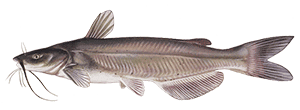
Flatheads are the apex predators of Fort Gibson, with fish commonly running 15-30 pounds and true giants over 50 pounds. These olive-colored bruisers with their distinctive flat heads are pure ambush hunters that want live bait only - no dead stuff for these picky eaters. They hole up in deep timber, under rock ledges, and in creek bends during the day, then move shallow at night to hunt. Summer is prime time when water temps are in the 70s and 80s. What guests love is the challenge and that superior meat quality - flatheads are hands-down the best eating catfish. The fight is something else too - they'll use every bit of cover to try and break you off. My best advice: fish live bluegill or small bass near structure at night, use heavy tackle (50-lb line minimum), and be ready for a battle when one grabs hold.
Striped Bass
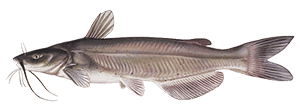
Fort Gibson's stripers are the heavyweight champions of the lake, commonly running 8-15 pounds with some real giants pushing 20-plus. These silver torpedoes with black horizontal stripes love deeper water around submerged structure, creek channels, and main lake points. They're most active during cooler months - late fall through early spring - when water temps drop into the 50s and 60s. Summer finds them deeper, often 25-35 feet down following schools of shad. What makes them special is that incredible fight - they'll make long powerful runs that test your drag and your nerves. The meat is top-shelf eating too, firm and flaky. Best trick I can share: focus on areas where creeks meet the main lake, especially early morning or late evening. Live shad is king, but big swimbaits work great when the bite gets tough.

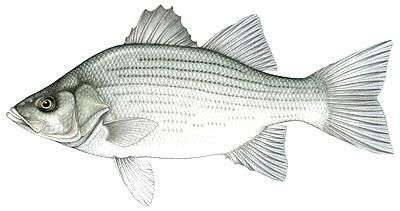
White Bass
White bass run in schools and make for some of the most action-packed fishing on Fort Gibson. These silvery fish with their distinctive dark stripes typically run 10-12 inches, though we see plenty pushing 15-16 inches. They're Oklahoma's state fish for good reason - they fight hard and taste even better. You'll find them cruising open water and relating to structure like points and creek channels in 15-25 feet of water. Spring and fall are prime times when they're actively feeding, but summer evenings can be dynamite too. What guests love most is the fast action - when you find a school, you can catch them one after another on small jigs and spinners. Pro tip: watch for birds diving on baitfish - that's your signal to get there fast with white or chartreuse jigs.
About the Key West
%2F%2Fusers%2F6647b9d6-ba74-4c53-9455-f55b7741f8d7%2Fvehicle_picture%2Fscreenshot2025-11-02205652-mhhpysib.png&w=1200&q=75)
Vehicle Guest Capacity: 6
Manufacturer Name: Yamaha
Maximum Cruising Speed: 53
Number of Engines: 1
Horsepower per Engine: 300